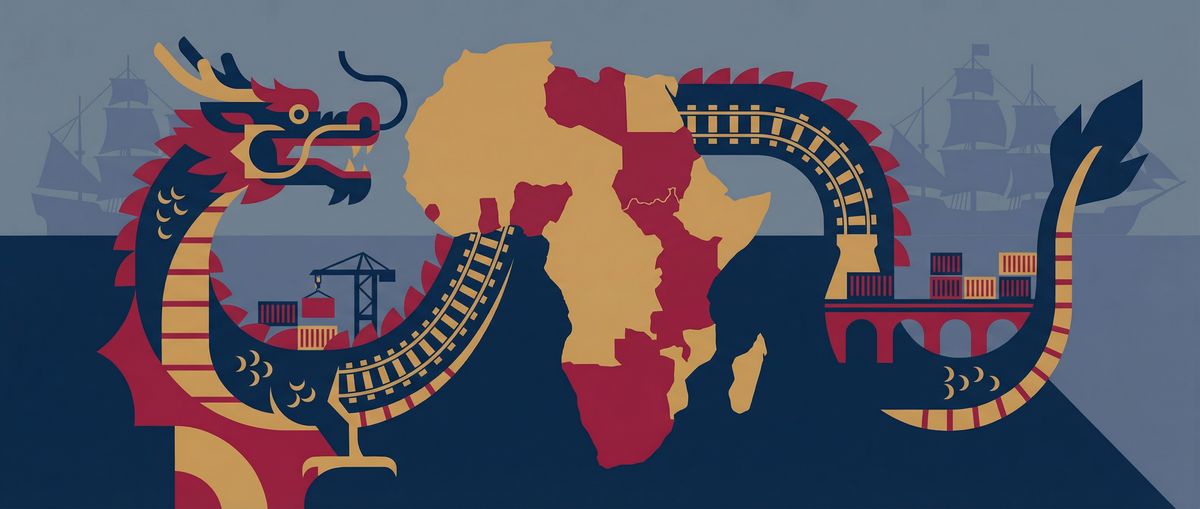
China Has Many Of The Characteristics Of An Emerging Colonial Power. How Does It Compare Historically?
History Future Now had dinner a few years back with two Kenyans of Indian origin. Indian-Kenyans make up less than 1% of the country’s 43 million people, but apparently account for…
Crisis: Or An Explanation On The Origins Of The Decline Of The West
Christopher Marlowe’s play Doctor Faustus was written in 1592 and was based on an earlier German work about Dr Faustus, a talented German scholar at Wittenburg University who was f…
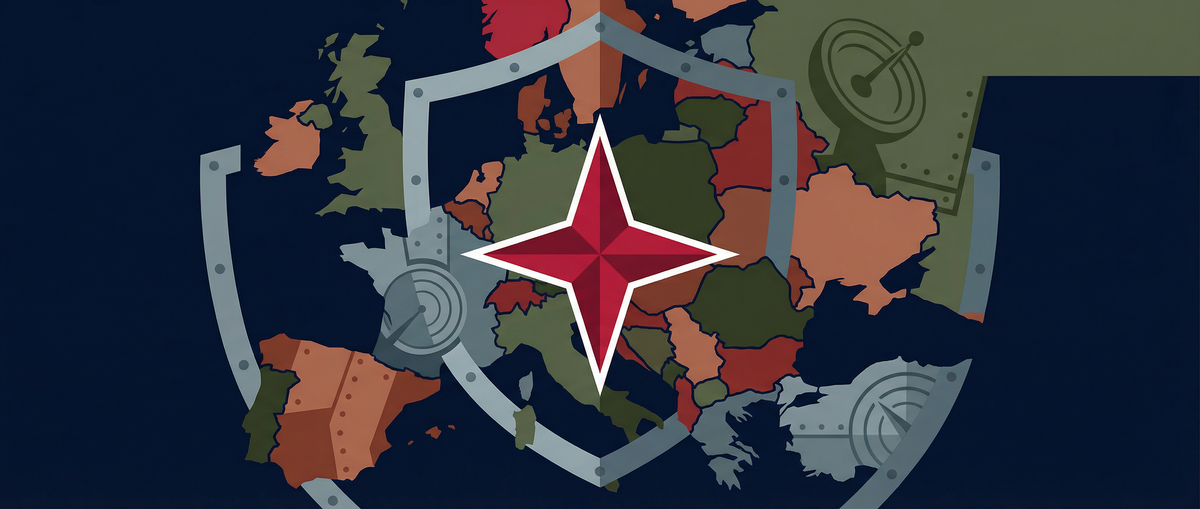
Europe Rearms: Why The Continent That Invented Total War Is Spending €800 Billion On Defence
In 1932, Germany spent less than 1% of GDP on its military. By 1939, that figure was 23%. The transformation took just seven years. Today, Europe is embarking on the fastest rearma…
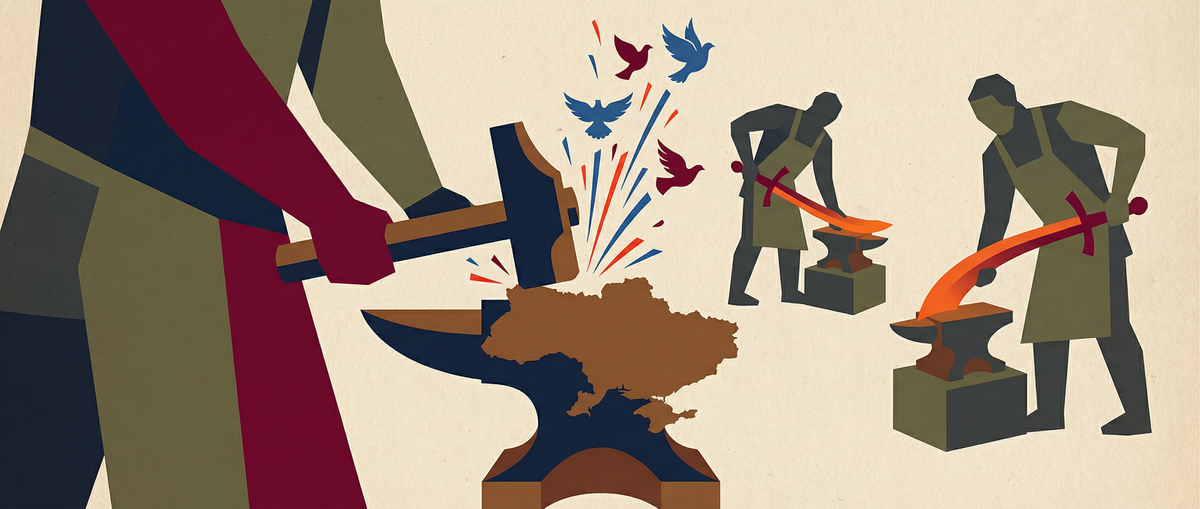
Forging Peace: From Centuries of War to Ukraine's Future
For centuries, war has been a brutal constant in human affairs, with nations locked in cycles of conquest and revenge that have left countless lives shattered. Yet even from the as…
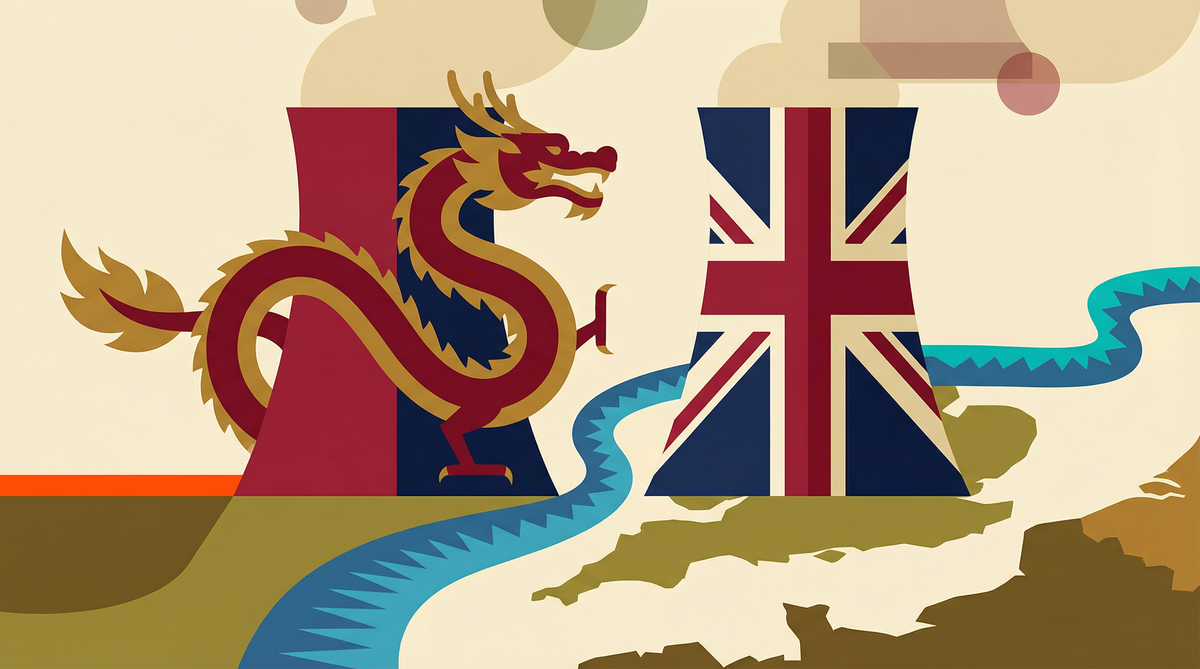
Hinkley Point Decision Is Really About China And Brexit
Much ink has been spilled about why Prime Minister May’s new Conservative government should not have approved the £18bn Hinkley Point nuclear power station that is to be built by E…
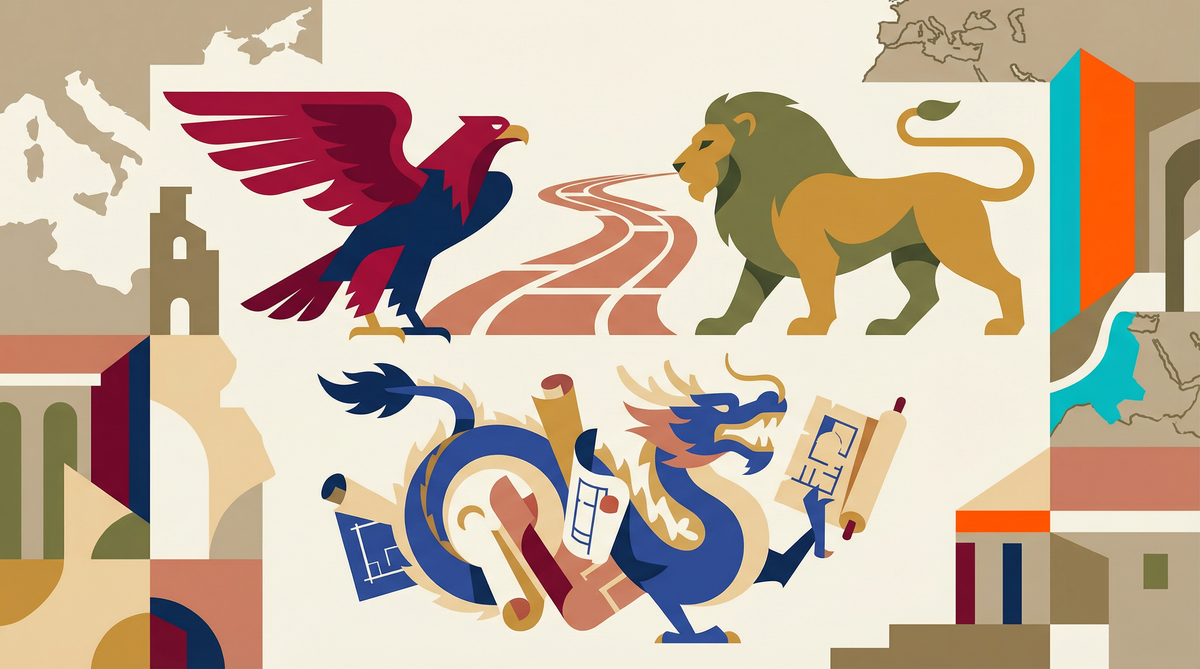
Rome Vs. Persia And The Transfer Of Strategic Technologies To China
China is a master at forcing western companies to hand over critical intellectual property in exchange for short term access to the Chinese market. History Future Now asks what are…
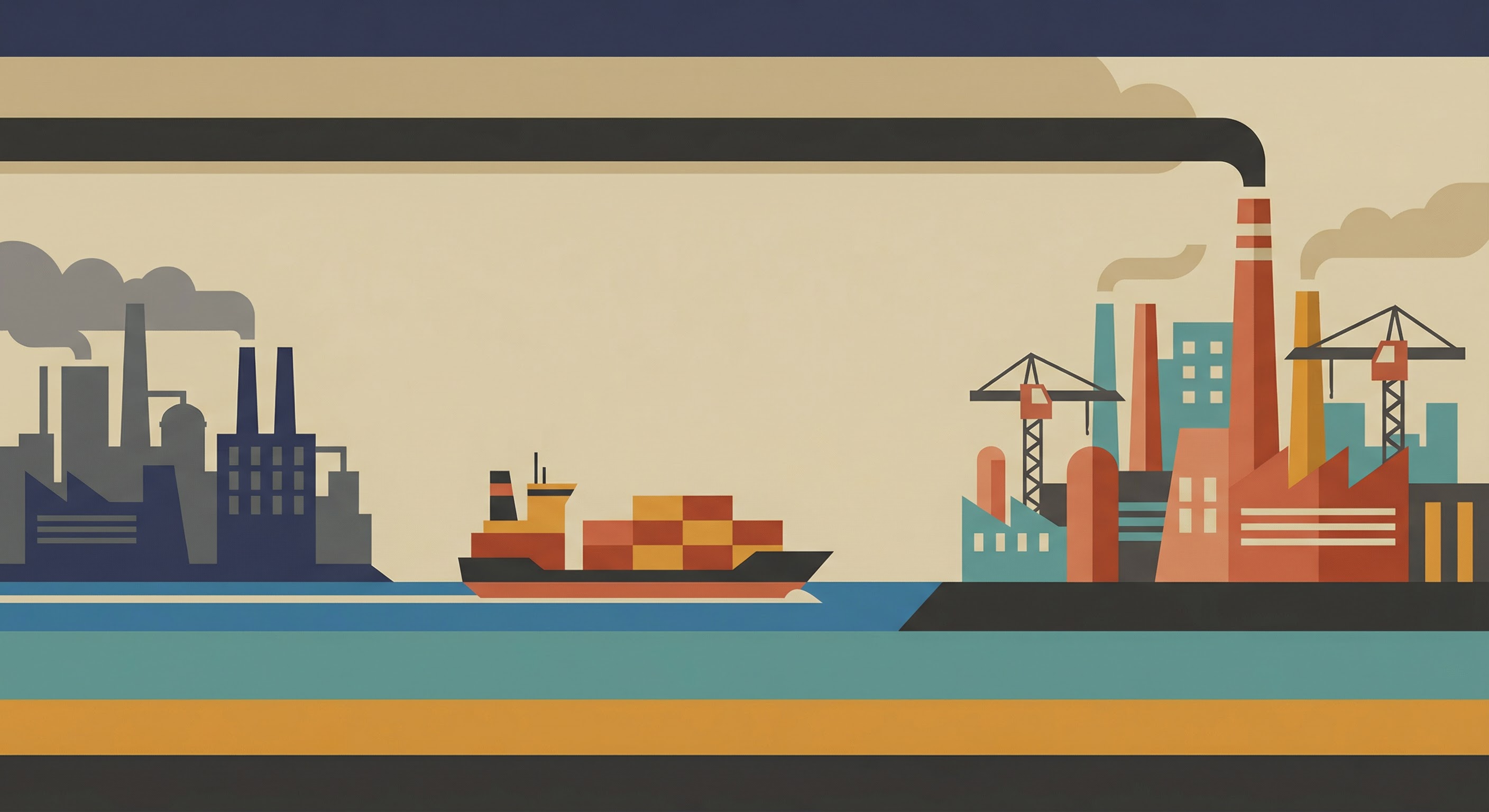
The Great Offshoring: How the World's Factory Moved East
In a single generation, the West gave away the industrial monopoly it had held for two centuries. From the rust belts of the Midlands to the boomtowns of Guangdong, this is the sto…
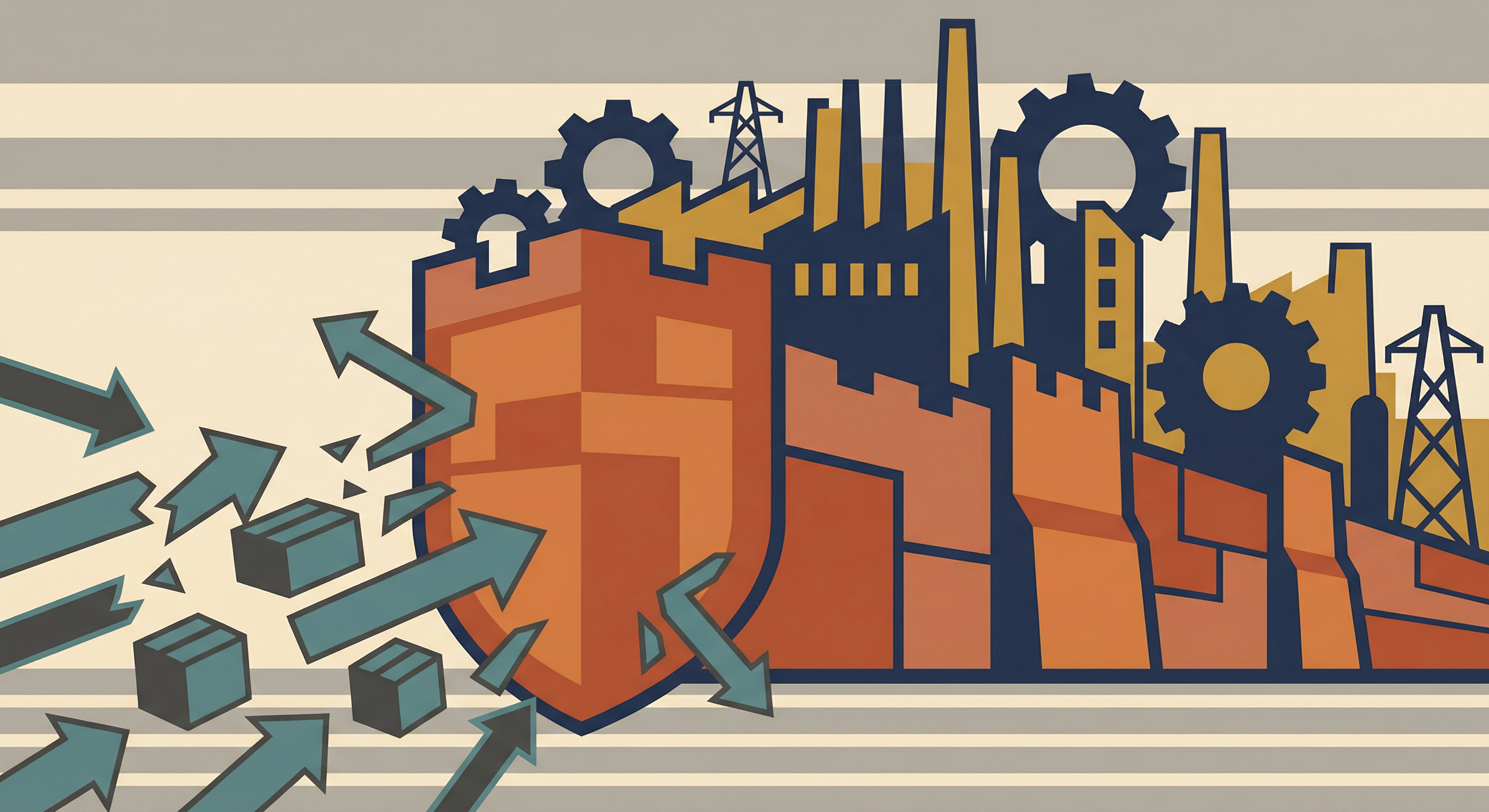
The Ladder and the Lie: Why Every Great Economy Was Built on Tariffs and Free Trade Only Serves the Already Dominant
Every great economy in history was built behind tariff walls. Britain, America, Germany, Japan, South Korea, China — all protected domestic industry while it grew, then preached fr…

The North African Threat And Mediterranean Reunification
North Africa does not appear to be a military and political threat to the European Union. Why should it? In the last few years most of its countries have been convulsed by revoluti…
The Rise of the West Was Based on Luck. That Has Run Out.
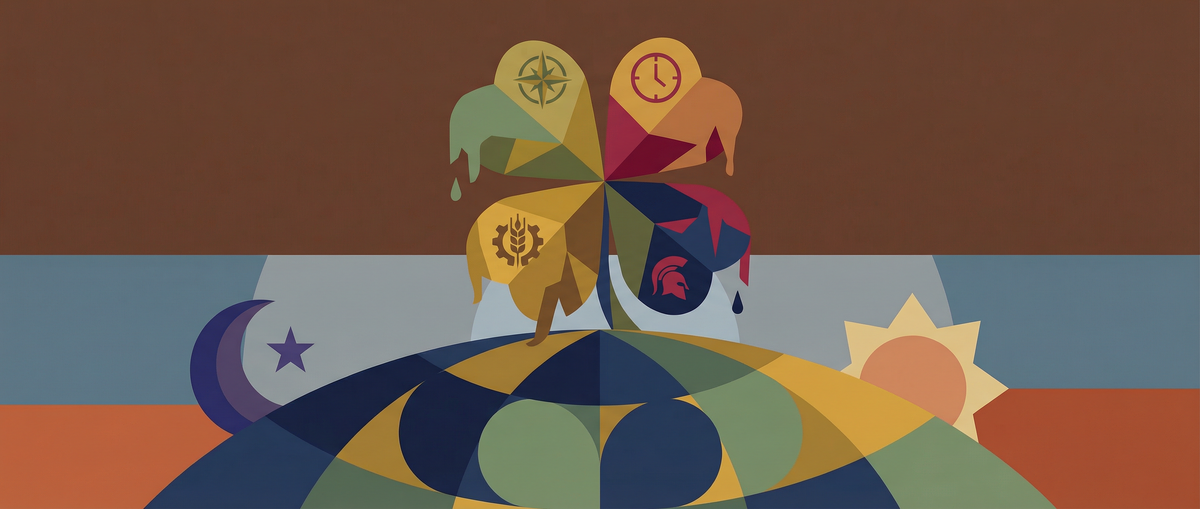
Many Westerners fret about the relative decline of the West. For over 500 years, since the successful conquest of the Americas by Atlantic Ocean facing power, influence and culture…
New The Scramble For The Solar System: Why The Next Colonial Race Has Already Begun
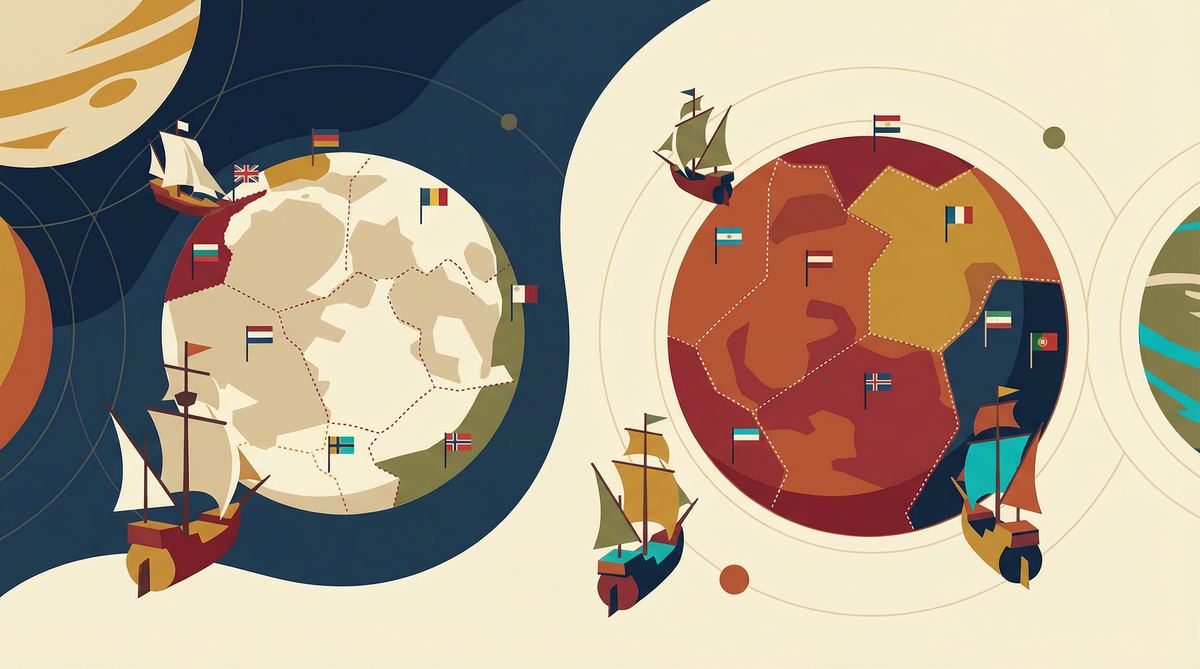
SpaceX is building Starship production lines at scale. China plans a permanent lunar base by 2030. NASA's Artemis programme aims to return Americans to the Moon. India, Japan, and…
The War in Ukraine: Escalation, Miscalculation, and the Path to Peace
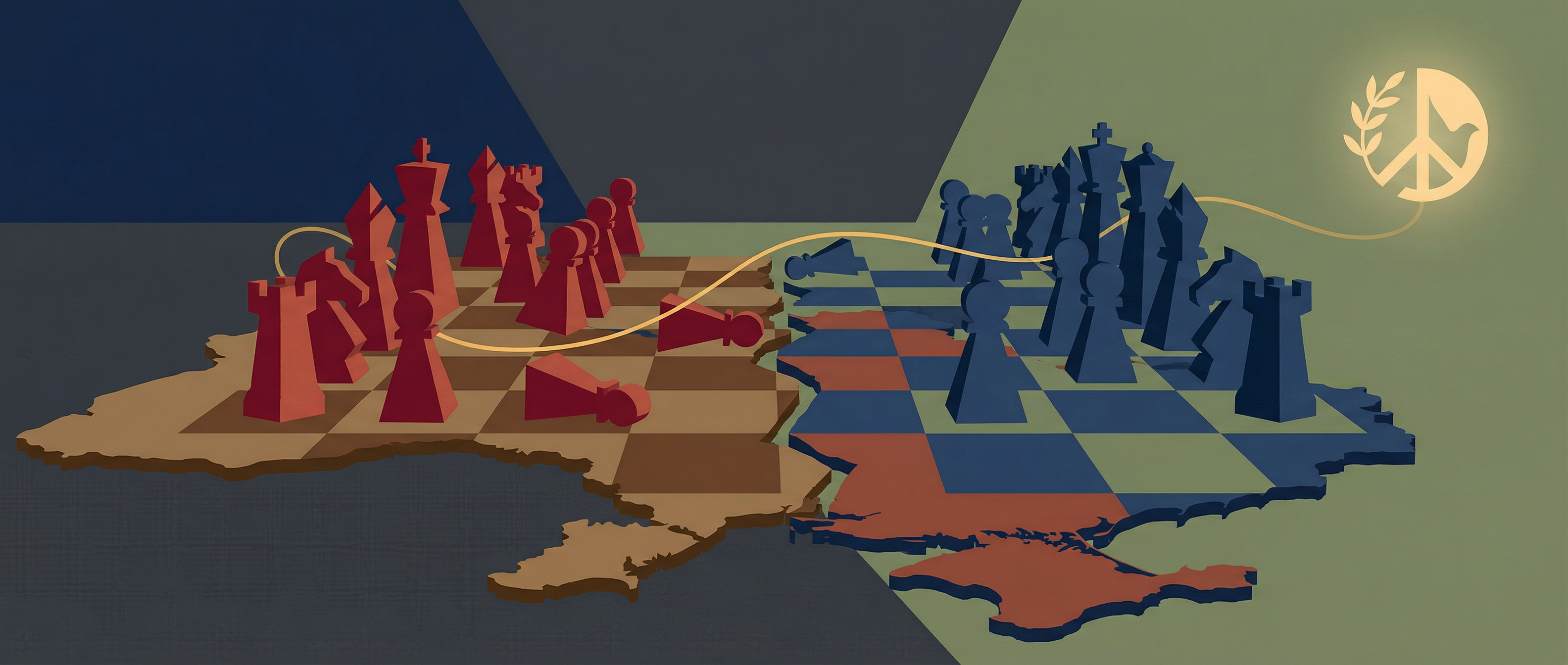
The war in Ukraine, which began with Russia's invasion in February 2022, has brought the world to a dangerous crossroads. As the fighting continues, with devastating consequences f…
The West’s romance with Free Trade is ending. Why?
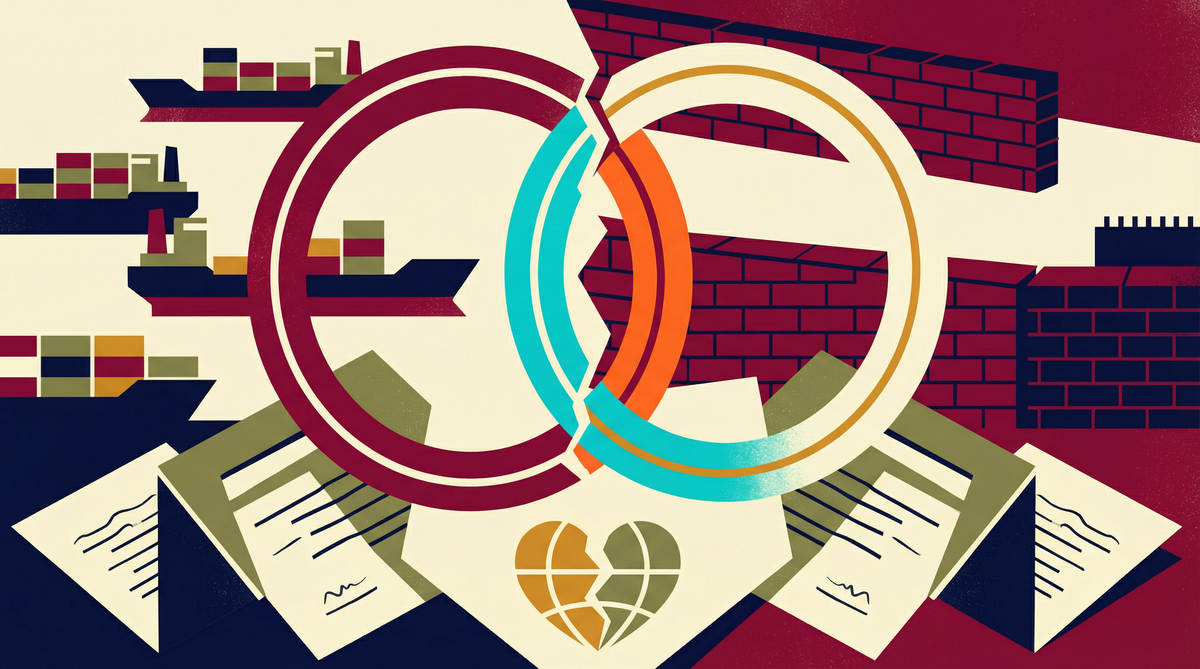
Donald Trump is marching the US into a trade war with China. Markets are rattled. China is rattled. American companies are rattled. After 100 years of promoting free trade as a way…
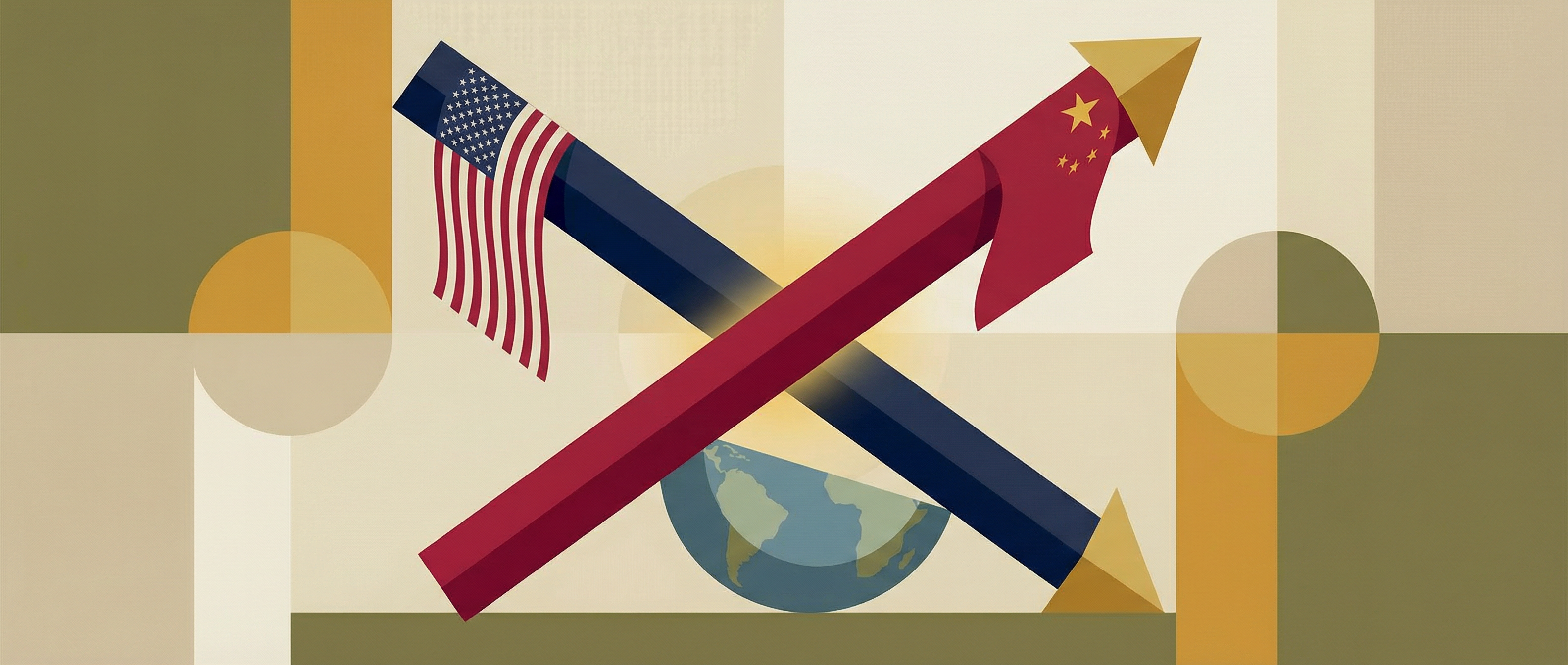
What Happens When China Becomes The Largest Economy In The World?
According to the OECD , China is due to overtake the US economy as the largest in the world in three years. By 2030 it predicts that China will account for 25% of the world’s econo…
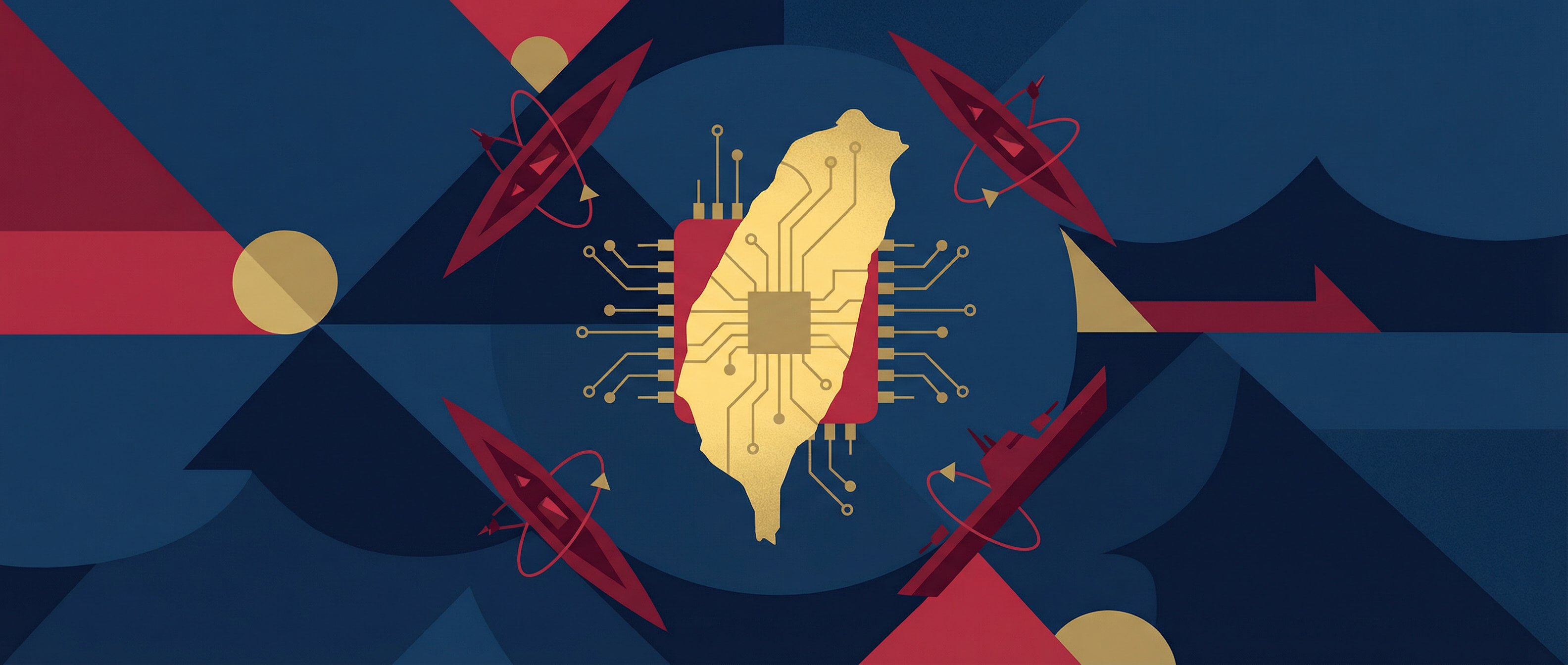
Why China Could Invade Taiwan – And Get Away With It
The story of how the Republic of China became Taiwan and its relationship with mainland China is fascinating. How many people in the West know that Taiwan was once a Dutch colony a…
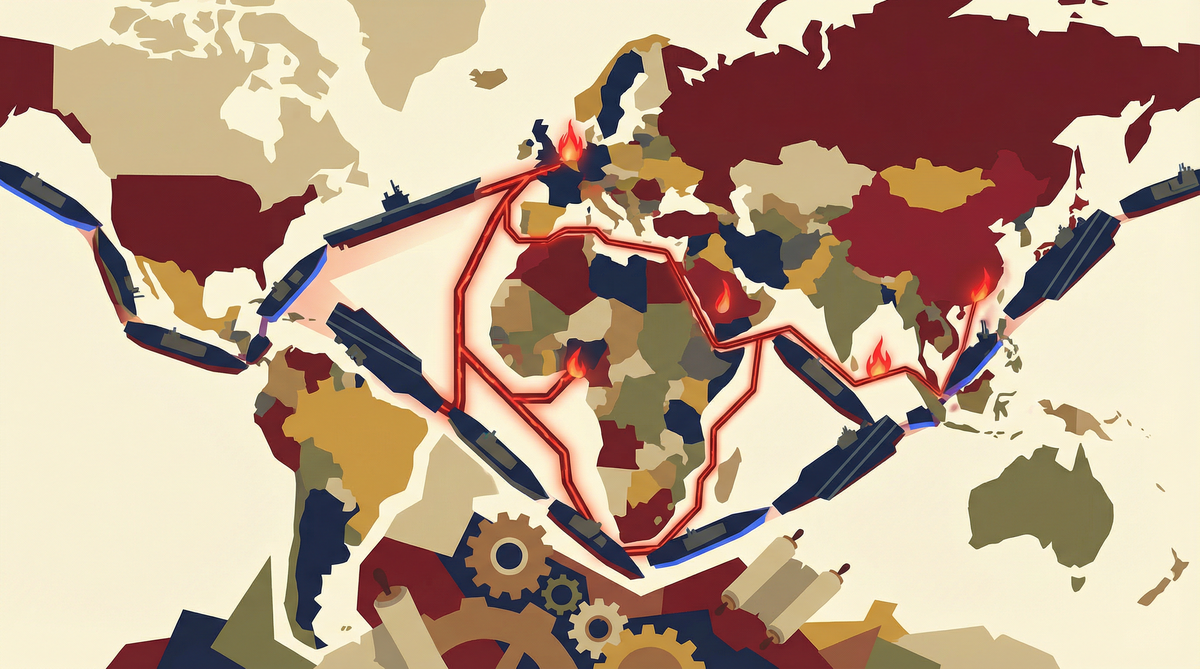
Why Do We Need The Military? Securing Energy Supplies And Trade Routes
History Future Now examines our military expenditure and asks two basic questions: first, what is the purpose of the military? And second, if we did things differently would we nee…