Data-driven analysis of the structural forces — demographic, technological, economic —
that will shape the next century.
Despite the fact that both John Maynard Keynes and Friedrich August Hayek are dead, their ideas are very much alive today and form the basis of whether governments choose austerity or stimulus as a wa
For centuries, war has been a brutal constant in human affairs, with nations locked in cycles of conquest and revenge that have left countless lives shattered. Yet even from the ashes of the most deva
Cable television and satellite radio stations have been praised for providing greater choice and criticised for the fragmentation of our societies. New social media apps and websites allow this choice
Western dominance was a 200-year anomaly. The world is reverting to the historical mean.
Source: Maddison Project, IMF · Read the full analysis →
Energy, food, water, land — the physical foundations that every civilisation depends on.
The COP26 climate conference held in November 2021 reiterated the need to reduce global greenhouse gas emissions to net zero by 2050, and to stop the average gl
In a previous article History Future Now admitted defeat: climate change is happening and there is no viable political solution which will enable us to stop it
Some of you may have noticed some land deals in Africa being announced in the press over the past few years. The stories invariably include China in the headlin
How nations rise, compete, and decline — from colonial empires to modern China.
For centuries, war has been a brutal constant in human affairs, with nations locked in cycles of conquest and revenge that have left countless lives shattered.
Much ink has been spilled about why Prime Minister May’s new Conservative government should not have approved the £18bn Hinkley Point nuclear power station that
History Future Now had dinner a few years back with two Kenyans of Indian origin. Indian-Kenyans make up less than 1% of the country’s 43 million people, but ap
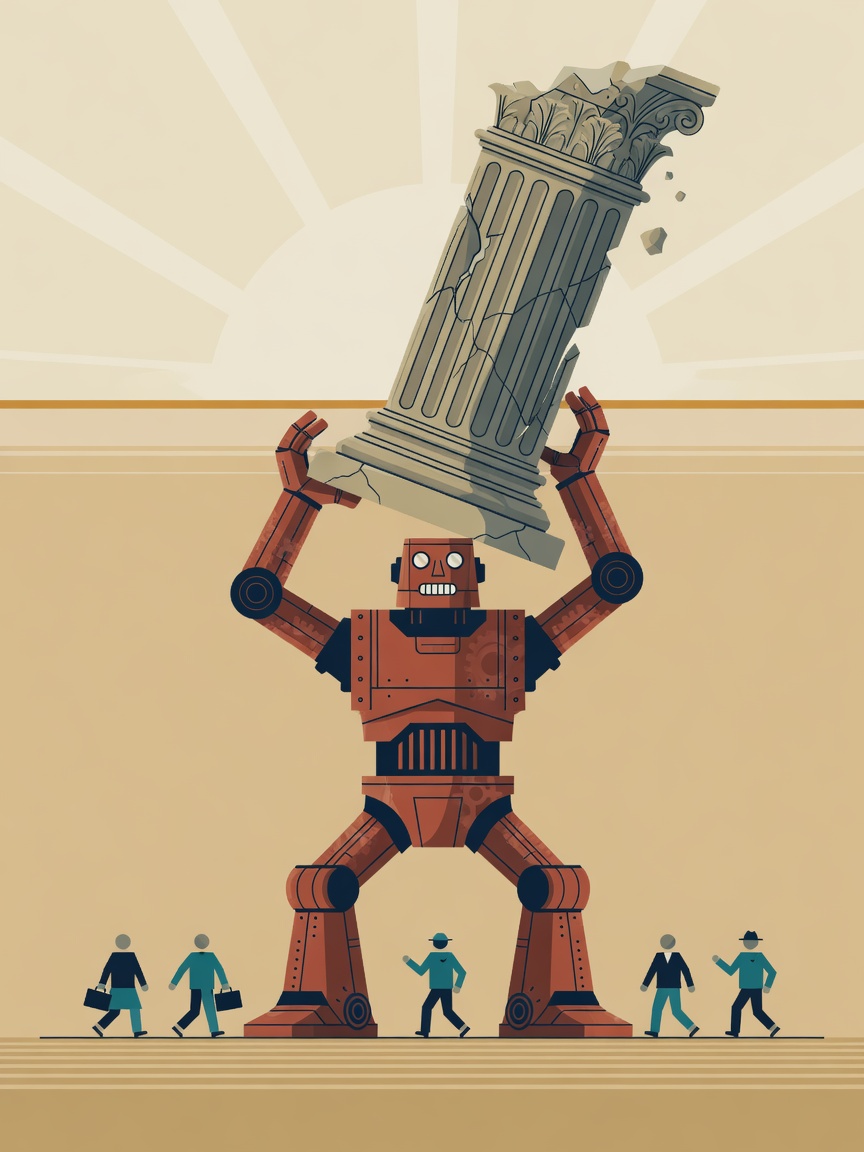
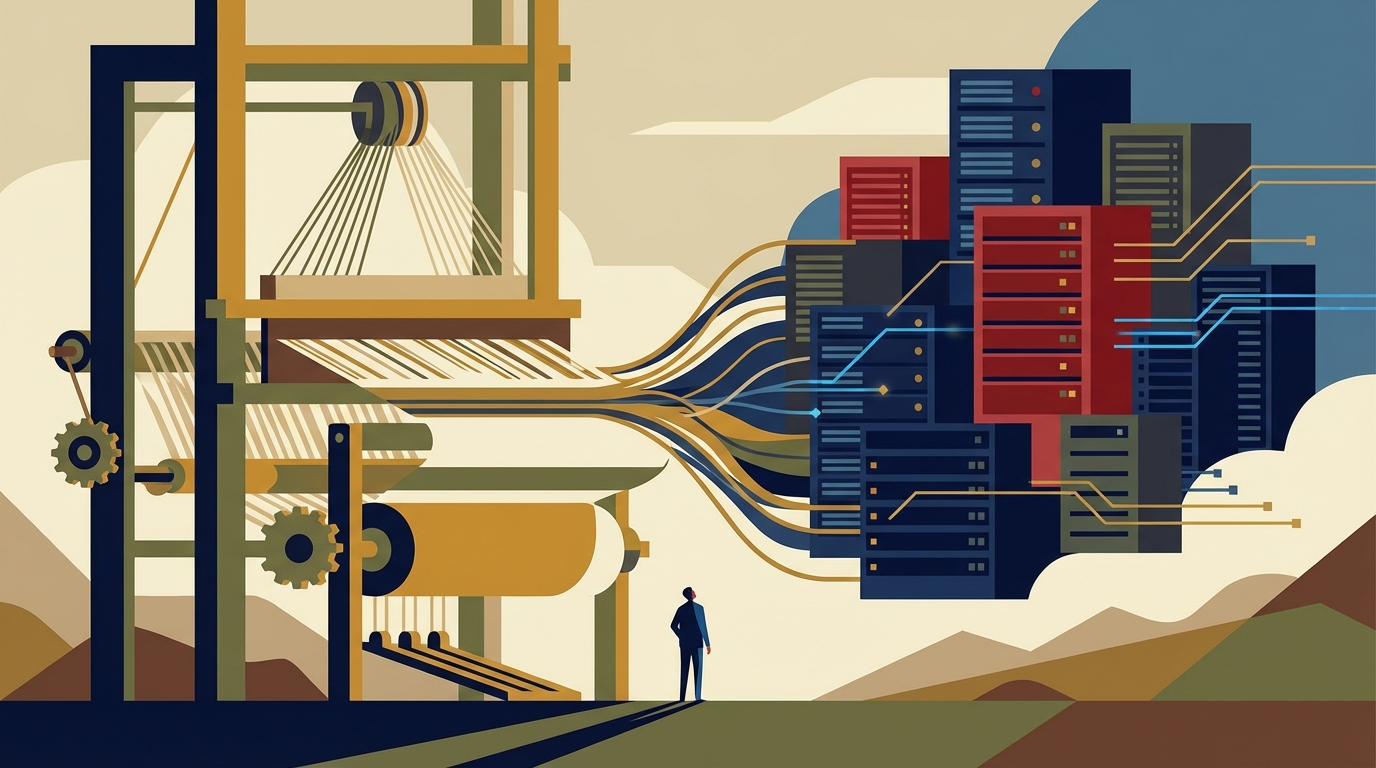
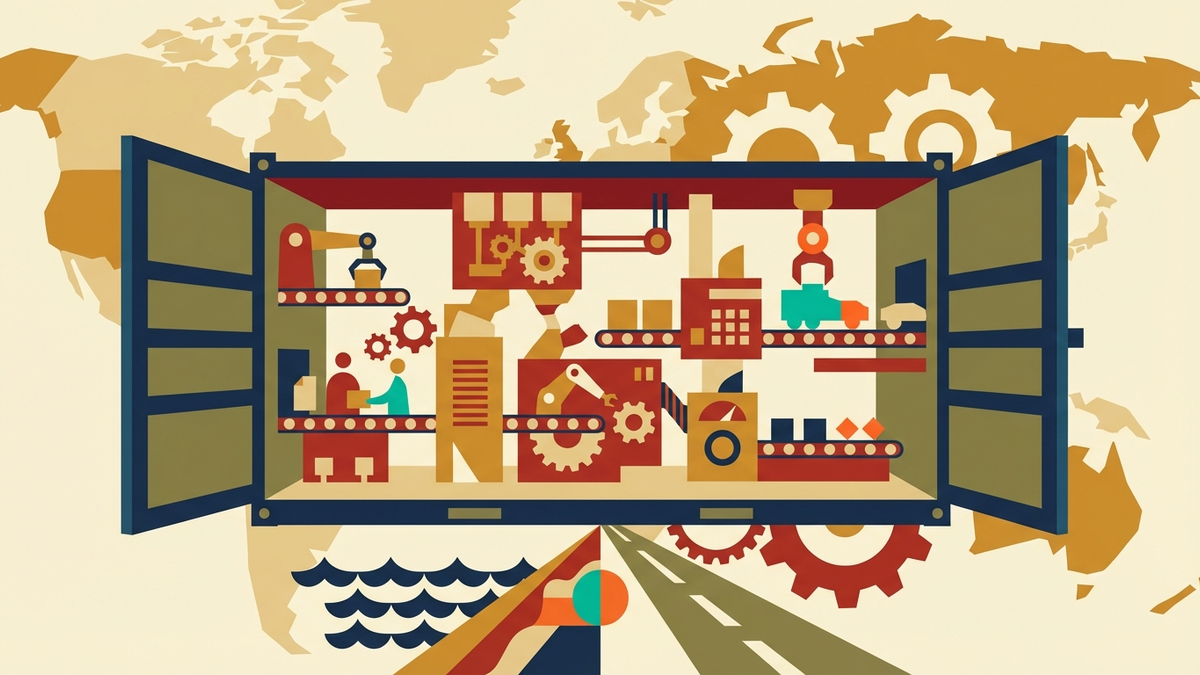
Automation, trade, debt, and the future of work in an age of intelligent machines.
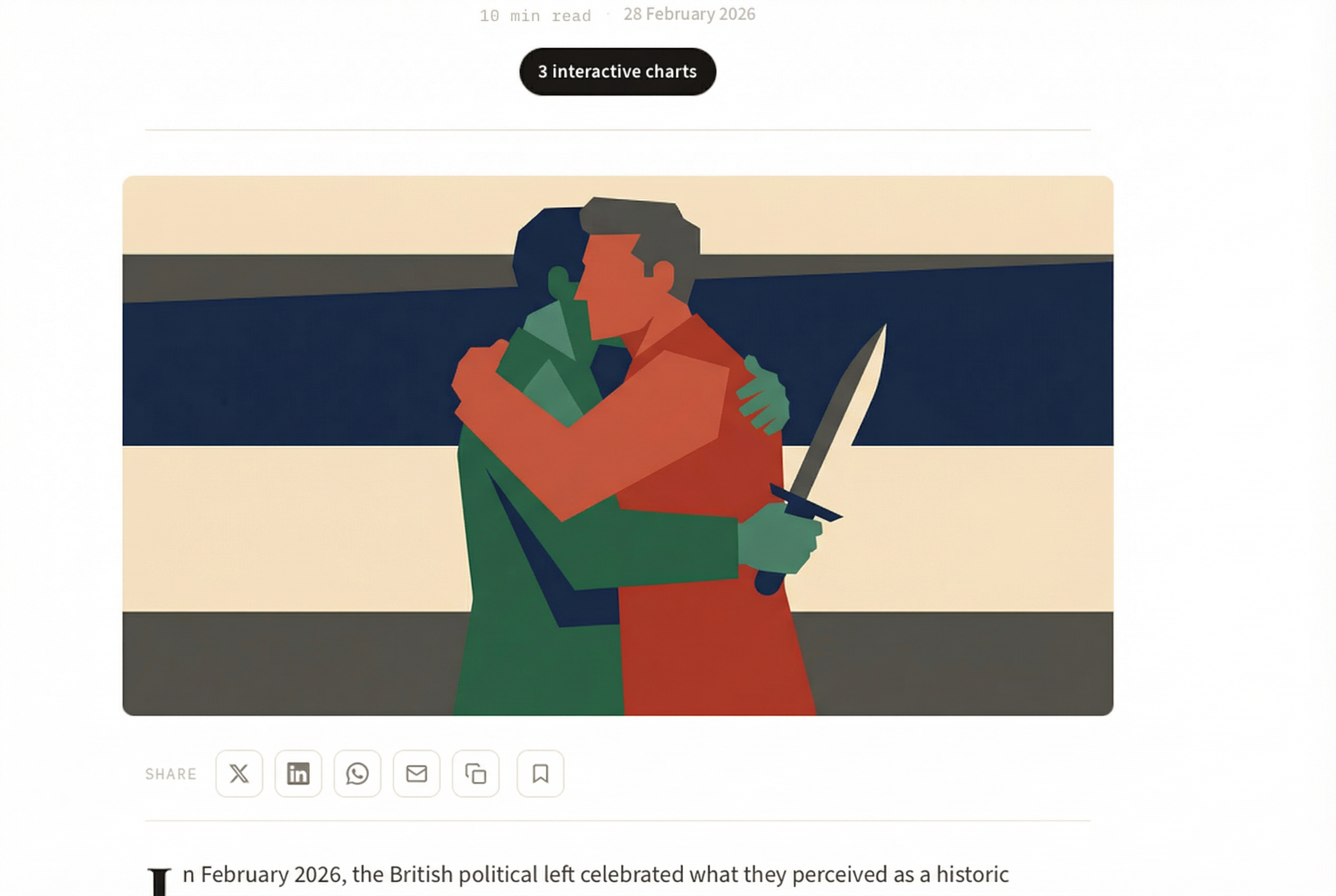
Despite the fact that both John Maynard Keynes and Friedrich August Hayek are dead, their ideas are very much alive today and form the basis of whether governme
In a world which is seeing a simultaneous increase in the capabilities of robots and artificial intelligence with the capacity to take over many factory and ser
We stand at a pivotal juncture in human history, facing two seemingly contradictory narratives about the future of work and society. On one side, we hear urgent
Democracy, religion, migration, identity — the human systems that bind us together.
Cable television and satellite radio stations have been praised for providing greater choice and criticised for the fragmentation of our societies. New social m
Immigration is a political hot potato. It is hard to talk about it in the West without appearing to be uncaring at best or racist at worst. That is a problem as
Everybody knows that the world’s population has increased dramatically since 1930 – population 2 billion – to today – population 7.7. Most people also know that