
A Lost Generation: Why The Personal Story Of The Beautiful Yulia Is Also Our Story
Many years ago HFN spent a wonderful day in the company of a beautiful Russian woman. She had a warm smile and long legs that never seemed to stop. She was also very smart and had…

Debt Jubilees And Hyperinflation – Why History Shows That This Might Be The Way Forward For Us All
Government debt levels in the United States, the European Union and in Japan are at all time historic highs. After decades of borrowing money to pay for regular annual expenditure…
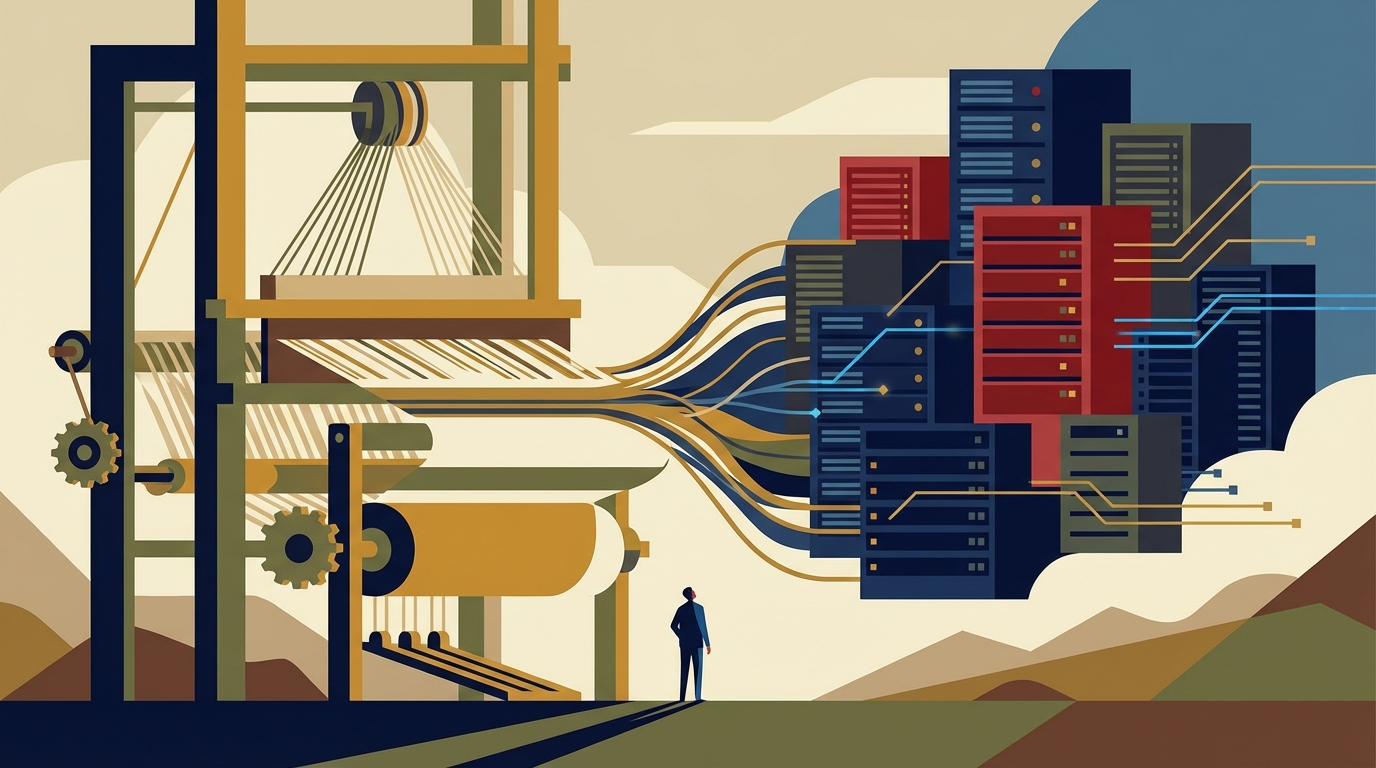
From Basement Servers to Billion Users: What Software Learned That Hardware Hasn't
In 2000, launching a technology company meant spending a fortune on servers before writing a line of code. By 2014, a small team could serve hundreds of millions of users from rent…
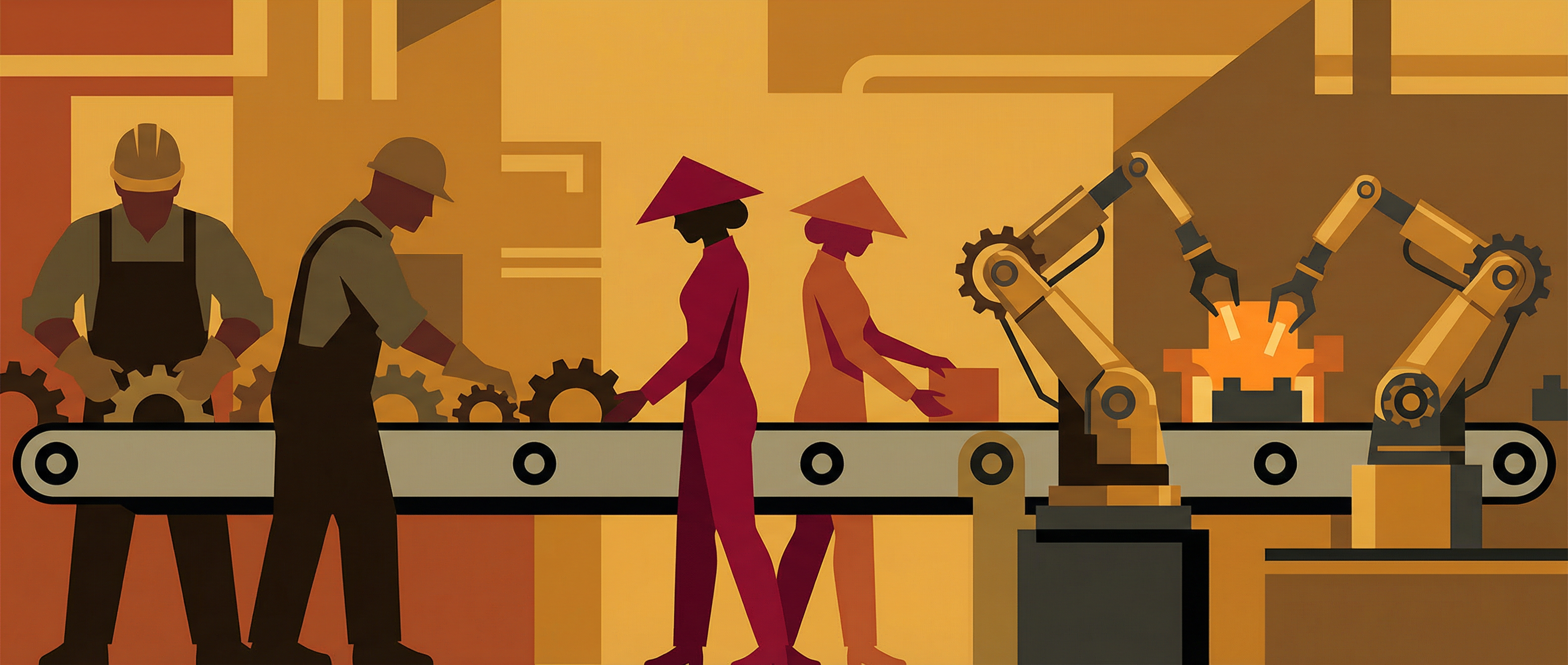
Jobs: First, Get Rid Of Expensive Westerners. Second, Get Rid Of People Entirely
Why do so many Western politicians and economists promote a trading system that increases Western unemployment levels and results in a gigantic transfer of wealth to the East every…

Keynes And Hayek Are Both Dead, And Wrong
Despite the fact that both John Maynard Keynes and Friedrich August Hayek are dead, their ideas are very much alive today and form the basis of whether governments choose austerity…

The Fusion of Revolutionary Technologies: Unlocking Humanity's Greatest Transformation
Individual technologies are interesting. Convergences are civilisational. Steam, iron, and canal engineering fused into railways. Electricity, motors, and mass production created t…
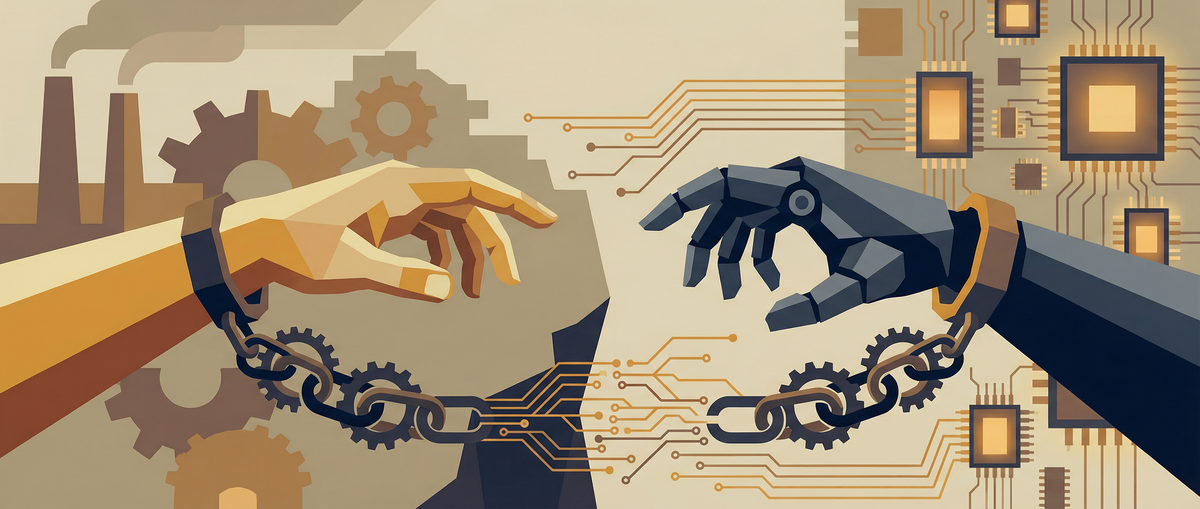
Robotics And Slavery
Rapid advancements in humanoid robotics and artificial intelligence are bringing us closer to a reality once confined to the realm of science fiction.

New Taxation Without Representation: Britain's £3 Trillion Debt and the Generation Being Asked to Pay For It
Every month the British government takes in around £100 billion and spends around £113 billion. The difference is borrowed. The people who will repay it are, for the most part, too…
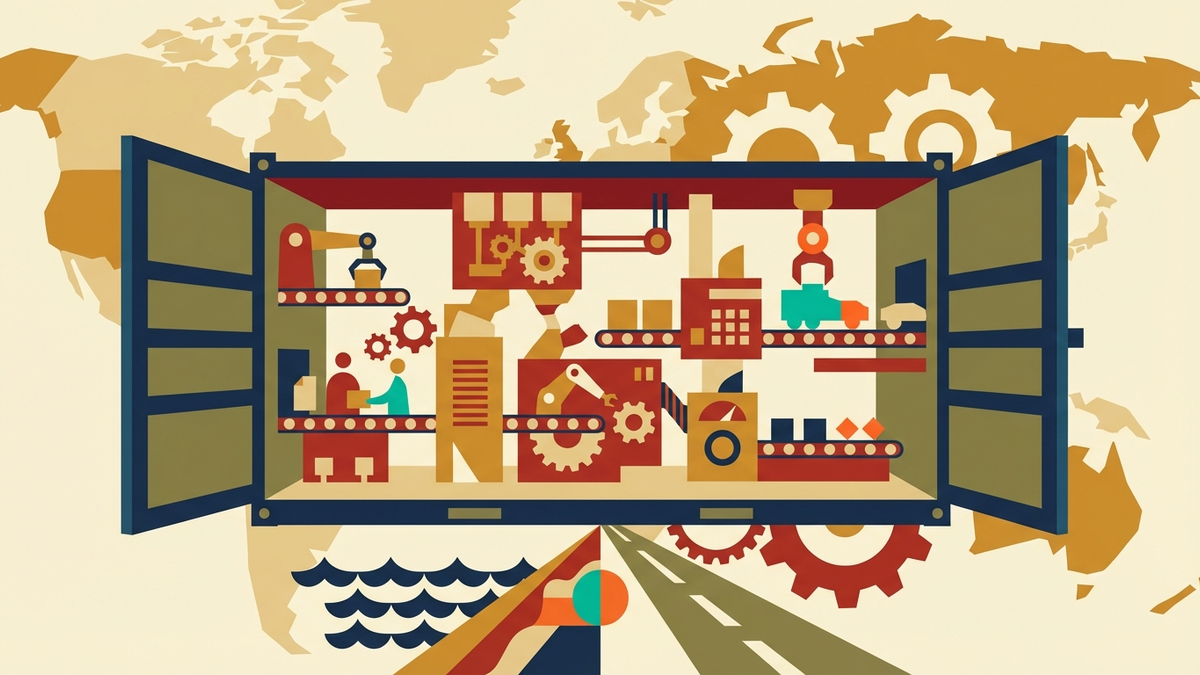
The Arsenal and the Container: How Shared Infrastructure Always Wins
Every era produces the same pattern: fragmented, bespoke, expensive production transformed by shared infrastructure that democratises access to speed and scale. Venice's Arsenale,…

The Debasement: Why Every Great Power That Borrowed Its Way to Greatness Borrowed Its Way to Ruin
The US spent more on interest payments than on defence in 2024 for the first time in history. Spain defaulted six times between 1557 and 1647. France's debt triggered the Revolutio…

The Eighteen-Month Trap: Why Hardware Startups Are Structurally Slow
A software founder builds one thing. A hardware founder builds two — the product and the entire infrastructure to make it. That structural double burden, not bad management, is why…

The Fifteen-Minute Factory: Why Proximity Still Wins
Innovation has always clustered where the distance between thinking and making approaches zero. From Florence's silk workshops to Shenzhen's electronics bazaars, the pattern is inv…

New The Invisible Revolution: How Nobody Will Notice the End of Work
In July 2026, Elon Musk sat down with the Economist's editor-in-chief, Zanny Minton Beddoes, and predicted "an age of amazing abundance where anyone can have anything they can thin…
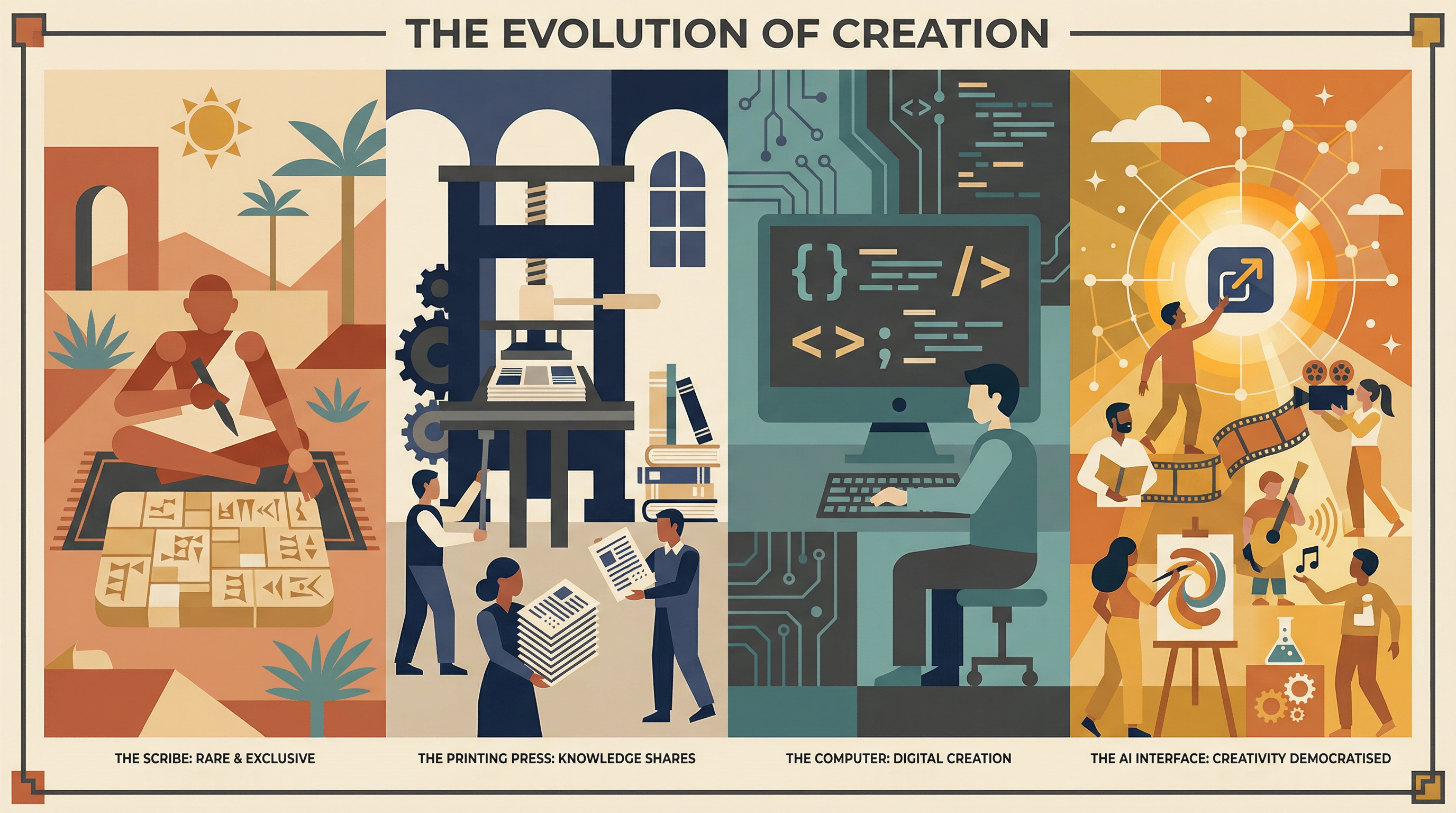
The New Literacy: How AI Is Killing The Scribes And What Happens Next
For five thousand years, if you could not write, you hired a scribe. If you could not code, you hired a developer. AI has just made everyone literate in the digital scribal arts —…

The Paradox of Mass Migration and Robots in the Age of Automation
We stand at a pivotal juncture in human history, facing two seemingly contradictory narratives about the future of work and society. On one side, we hear urgent calls for increased…

The Perils of Prediction: Lessons from History on Navigating an Uncertain Future
Can we truly predict the future, or are we destined to repeat the mistakes of the past? This question has captivated minds for millennia, from ancient prophets to writers like Hist…

The Return of the State Factory: Why Nations That Forgot How To Make Things Are Remembering
In February 2026, the United States signed a trade deal with Taiwan that included $250 billion in semiconductor investment pledges. Tariffs are back. Industrial policy is back. Aft…

The Robot Bargain: How AI Will Save Ageing Nations From The Immigration Trap
Microsoft's AI chief predicts virtually all white-collar tasks will be automated within 18 months. South Korea's fertility rate is 0.72. Japan sells more adult nappies than baby na…

New The Tireless Taxpayer: How Robots Will Pay the Bills That Humans No Longer Can
On the eve of the First World War the entire British state — army, navy, empire, courts, schools, roads, poor relief, the lot — cost a little over twelve per cent of national incom…
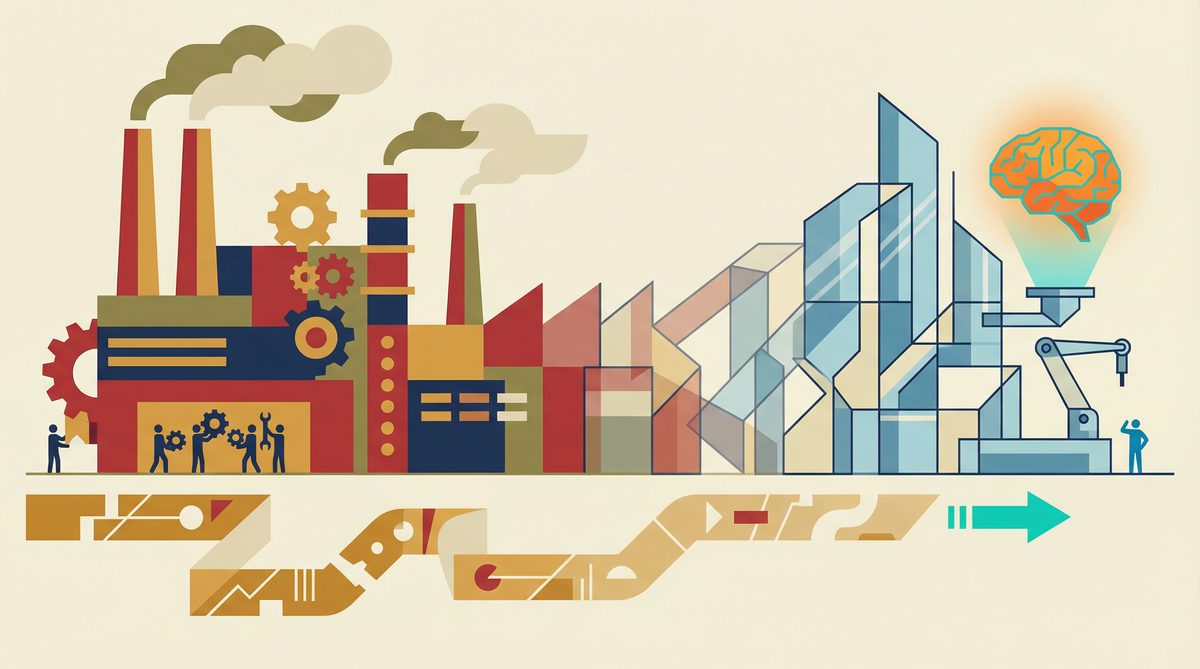
Where Are All The Jobs Going? Lessons From The First Industrial Revolution. And 150 Years Of Pain.
In a world which is seeing a simultaneous increase in the capabilities of robots and artificial intelligence with the capacity to take over many factory and service sector jobs, an…
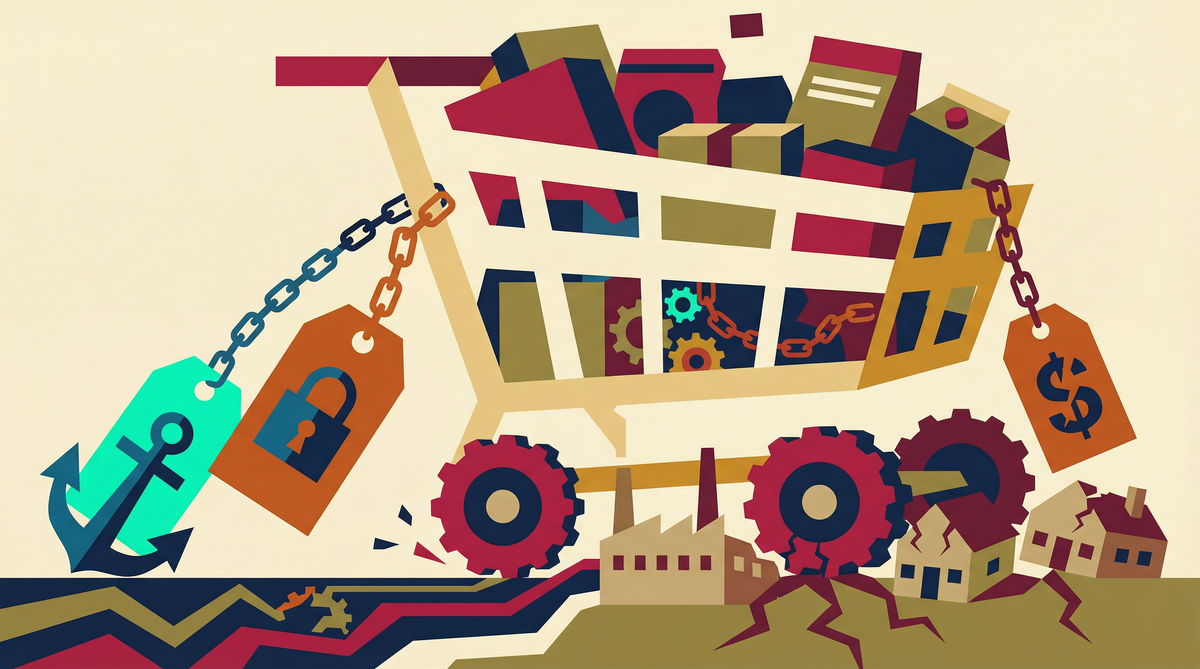
Why Buying Cheap Imported Products Is More Expensive For Individuals And Not Just Society
Why do so many Western politicians and economists promote a trading system that increases Western unemployment levels and results in a gigantic transfer of wealth to the East every…